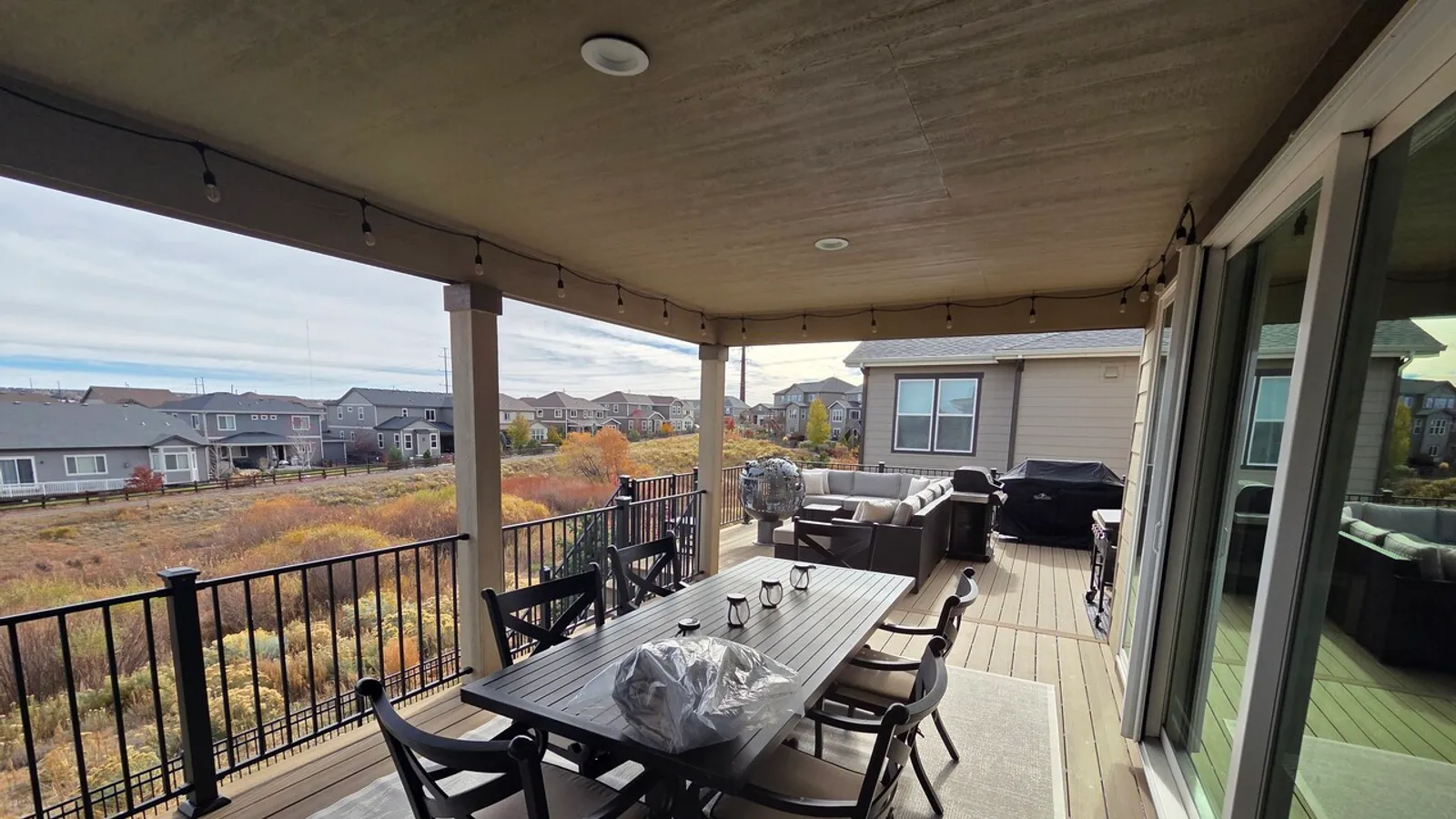
Building a new deck in Colorado’s Front Range is about more than just picking out a pretty board and calling it a day. With unique soil profiles, sun exposure, temperature extremes, and strict municipal codes, a smart approach blends local expertise with technical precision. Whether you’re a homeowner ready for outdoor living or a contractor navigating tricky ground, this blueprint covers the critical decisions you’ll face from site prep to sign-off.
Colorado Front Range deck site assessment and code requirements
Subsurface diagnostics: what’s under your feet?
- Soil-bearing capacity: Local soils, from clay pockets in Highlands Ranch to sandy stretches near Castle Rock, demand load calculation. Consider a soil test to determine the bearing strength before any footing goes in.
- Drainage and slope: Colorado’s freeze-thaw cycles mean poor drainage is a recipe for heave and settlement. Look for low spots, pooling, and natural slope. French drains or grading may be needed to direct water away.
- Tree roots and buried utilities: Always call 811 before digging. Mature trees in Littleton or Parker may require root mapping to avoid long-term deck movement or root damage.
Footing and framing: frost depth and attachment methods
- Frost-depth footings: Most Front Range municipalities require footings 36 inches or deeper to get below the frost line. Inspections are mandatory before concrete is poured, always verify your city’s code.
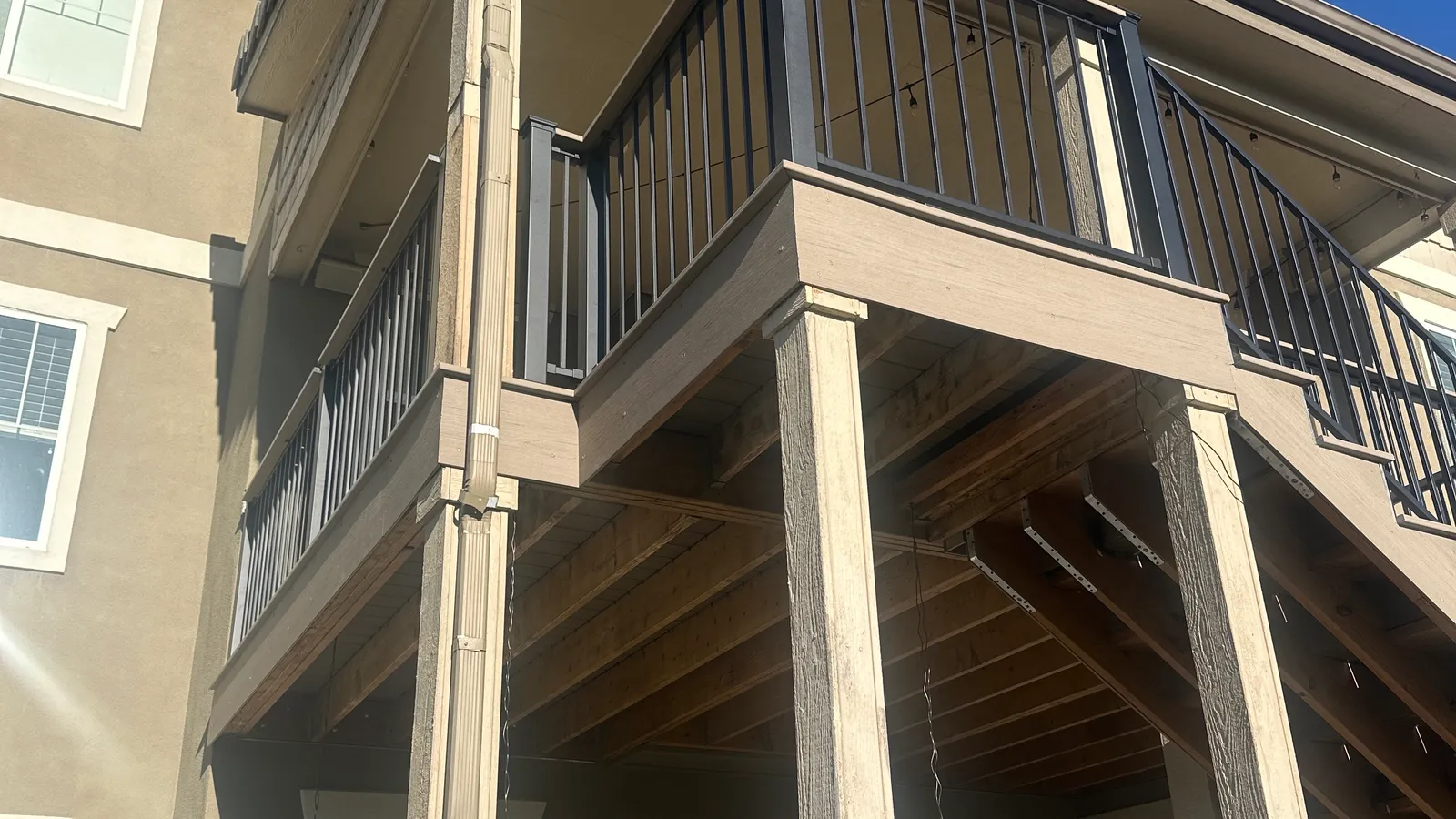
- Ledger vs. free-standing decks: Ledger boards attached to the house require careful integration with existing structures and strict waterproofing. Free-standing decks are often preferred on problematic soils or where siding or foundation details complicate ledgers.
- Load-path design for snow and wind: Decks in Golden or Castle Rock see heavy snow loads and strong gusts. Oversized beams, doubled joists, and proper bracing ensure a safe, long-lasting structure.
Permitting and HOA reviews: what to expect
- Each municipality, whether it’s Centennial, Aurora, or Highlands Ranch, has specific requirements for permits, inspections, and sometimes HOA design review. Expect to submit stamped drawings, site plans, and possibly engineering calculations.
- Timelines vary widely. Start early and budget extra time for permit review, especially during spring and summer rush.
- Keep insurance disclaimers in mind: always confirm coverage with your provider before work begins, as DIY work can void some policies.
Decking materials and fasteners for Colorado climate durability
Comparing deck material options: pros, cons, and maintenance
| Material | Pros | Cons | Maintenance |
|---|---|---|---|
| Pressure-treated Pine | Cost-effective, readily available | Prone to warping, requires regular sealing | Annual inspection, staining/sealing |
| Cedar | Natural beauty, good weather resistance | Softer wood, can splinter | Annual cleaning, periodic sealing |
| Thermally Modified Wood | Dimensionally stable, rot-resistant | Higher upfront cost | Low; occasional cleaning |
| Capped Composite | Low maintenance, fade/stain resistant | Higher initial investment | Soap and water cleanup |
| Uncapped Composite | Affordable composite option | Less resistant to staining/UV | May require cleaning and refinishing |
| Aluminum | Ultimate durability, fire and insect proof | Distinct aesthetic, highest cost | Minimal; just cleaning |
Choosing fasteners and finishes: corrosion resistance
- Stainless steel and hot-dipped galvanized fasteners are best for Colorado’s climate, especially where de-icing salts are used. Avoid electro-galvanized or untreated steel, which can corrode rapidly.
- For composite decking, use manufacturer-recommended fasteners to prevent “mushrooming” or damaging the board face.
- Specialty coatings or hidden fastener systems can boost both longevity and aesthetics.
Thermal expansion, UV exposure, and lifecycle costs
- Colorado’s dramatic temperature swings can cause some materials, especially composites, to expand and contract. Correct gap spacing and proper fastening is critical.
- UV rays at high altitude can rapidly degrade finishes, capped composites or thermally modified woods offer better UV performance than untreated lumber.
- Weigh upfront cost against projected maintenance and replacement needs. A simple calculator can help homeowners compare options, factoring in annual upkeep versus initial outlay.
Construction sequencing and best Colorado build seasons
- Plan foundation and framing work for spring or early fall, these windows offer stable weather and faster municipal response times.
- Finishing work like railing installation and staining can be scheduled for summer or early autumn for best results.
Homeowner deliverables: checklists and risk mitigation
- Pre-bid checklist: Site plan, utility locate, soil test results, HOA and permitting requirements, neighbor notifications.
- 10-point final inspection: Check for secure footings, correct ledger flashing, proper fastener use, true joist alignment, safe railing heights, adequate stair treads/rise, smooth decking, correct spacing, clear drainage, and finished hardware.
- Risk mitigation playbook: Monitor for signs of settlement, keep drainage clear, and inspect finish annually. Promptly address any wood rot or fastener corrosion.
Curious what it will cost to design, permit, and build a deck tailored to your Colorado location? Submit a quote request today for a free expert site inspection and customized estimate, our team has over 30 years of local construction experience and deep knowledge of every Front Range city from Castle Rock to Golden.